
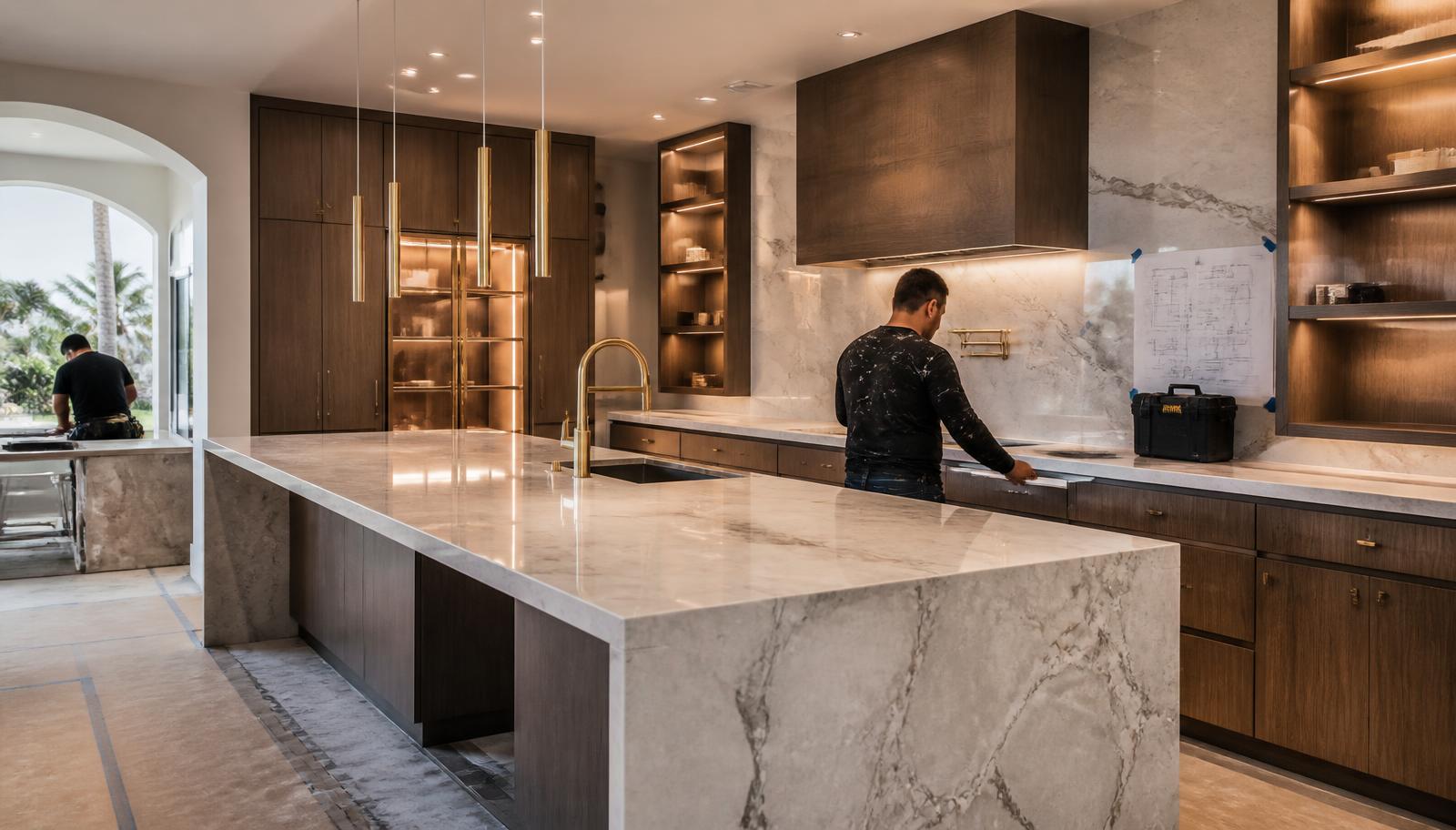
Luxury Kitchen Remodel Timeline in South Florida: What Actually Happens, Week by Week
A realistic schedule for a high-end kitchen renovation in South Florida — including the pre-construction work that determines whether the on-site phase runs eight weeks or eighteen.
The most common misunderstanding about a luxury kitchen renovation is that the timeline begins when demolition begins. In practice, the outcome of the project is largely determined months earlier, during design, selection and procurement. Homeowners who understand that sequence get better kitchens with fewer surprises.
Here is how a high-end kitchen renovation actually unfolds in South Florida.
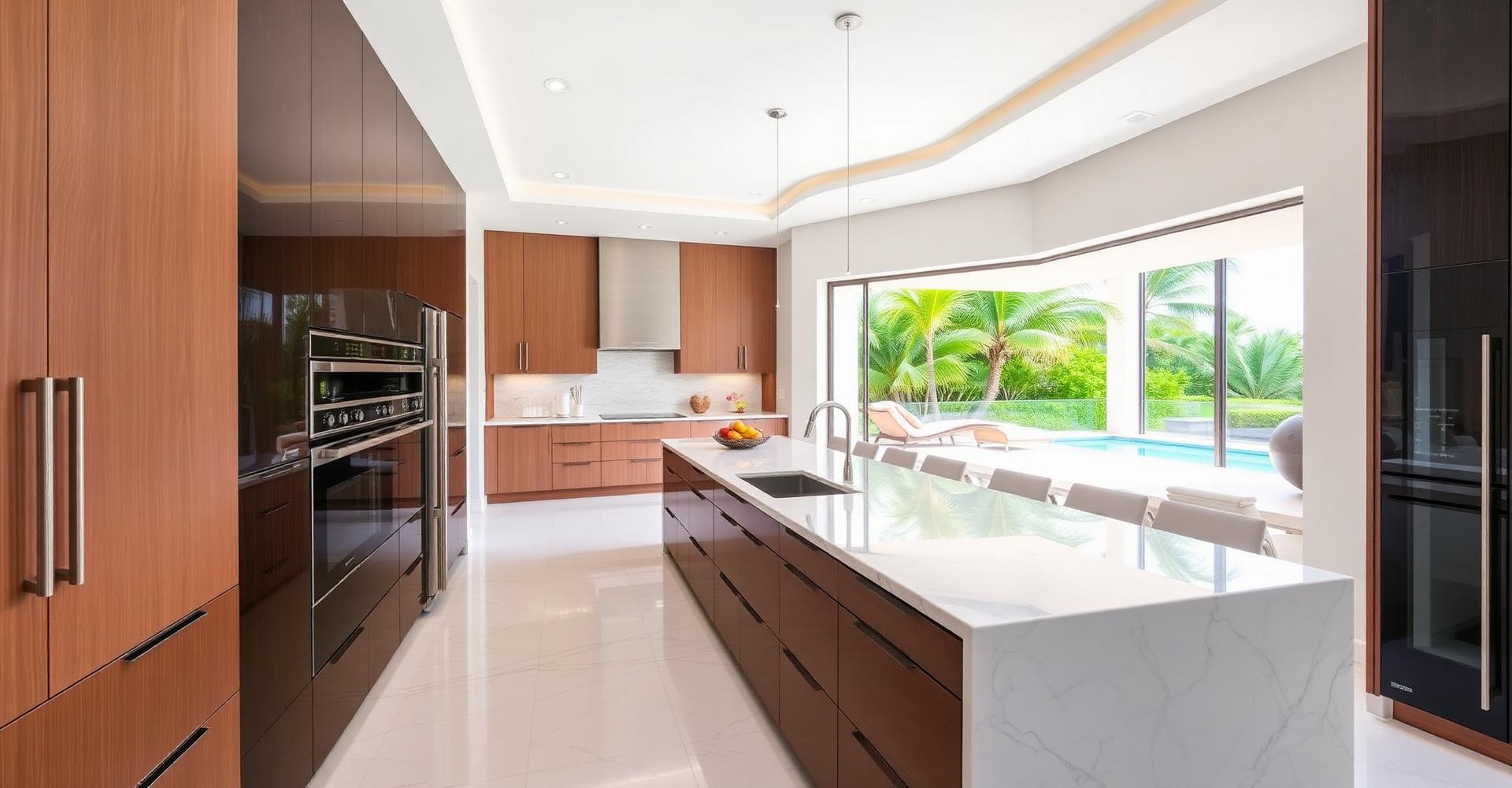
- 01
Design
4-8 wks
Measure, layout, elevations and specification.
- 02
Pricing
2-4 wks
Real trade pricing against real products.
- 03
Permitting
3-8 wks
County or municipal review and revisions.
- 04
Procurement
8-16 wks
Cabinetry, stone, appliances and plumbing lead times.
- 05
Construction
8-16 wks
Demolition through finish installation.
- 06
Closeout
1-2 wks
Final inspection, punch list and handover.
Phase 1 — Design and documentation (typically 4–8 weeks)
The work here is defining the kitchen precisely enough that it can be priced, permitted and built without improvisation.
- Existing conditions survey and, in older homes, investigation of structure, plumbing and electrical.
- Layout development with the designer or architect, including appliance selection — appliances drive cabinetry dimensions, ventilation and electrical, so they are decided early.
- Millwork drawings, elevations, and ceiling and lighting plans.
- Coordination of mechanical, electrical and plumbing changes.
Projects that move structural walls, relocate plumbing stacks, or alter the exterior envelope require more documentation and engineering.
Phase 2 — Pricing, permitting and procurement (typically 6–14 weeks, overlapping)
This is the phase homeowners feel impatient about and later thank their builder for.
- Pricing and buyout. Trades are bid against complete drawings, not a concept. Real numbers replace allowances.
- Permitting. Interior renovations that affect structure, plumbing, electrical or mechanical require permits. Timelines vary by municipality; condominium and HOA approvals add another layer and, in buildings, often carry their own rules on work hours, elevator use and noise.
- Long-lead procurement. This is the real schedule driver. Custom cabinetry, imported stone, specialty appliances, plumbing fixtures in specific finishes, and custom hardware routinely carry long lead times. Ordering waits until selections are final; final selections wait on the client. That chain is where most delays originate.
A good builder will publish a selection deadline calendar tied to the construction schedule, so every decision has a date attached.


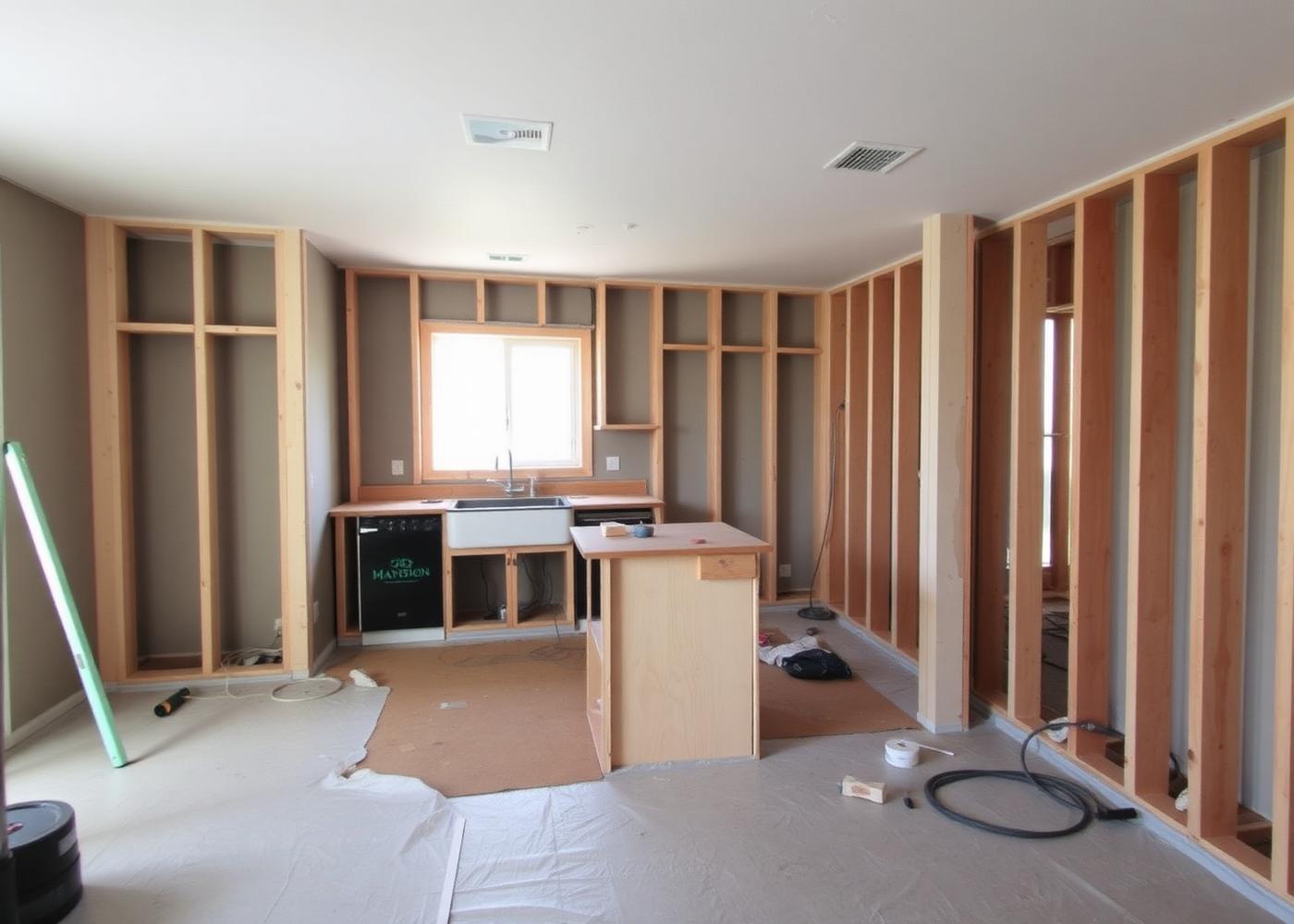
Phase 3 — Construction (typically 8–16 weeks on site)
For an occupied luxury home, protection and sequencing matter as much as the work itself.
Weeks 1–2 — Protection and demolition. Floor and path protection, dust containment with negative air where appropriate, temporary kitchen setup, and demolition. In older South Florida homes this is when hidden conditions surface: original plumbing, undersized electrical service, unexpected structure, or moisture damage.
Weeks 2–4 — Rough-in. Framing changes, plumbing and electrical rough, HVAC and ventilation modifications, low-voltage. Rough inspections follow.
Weeks 4–6 — Close-in. Drywall, ceiling detail, substrate preparation. Precise flatness and plumb matter here because everything downstream — cabinetry, stone, glass — depends on it.
Weeks 6–9 — Cabinetry installation. Custom millwork is installed and scribed to the space. This is skilled, slow work and should not be compressed.
Weeks 8–11 — Templating and stone. Countertops are templated after cabinets are set, then fabricated and installed. Book-matched slabs and waterfall or mitred edges add fabrication time.
Weeks 10–13 — Finishes and appliances. Backsplash, painting, flooring transitions, lighting trim, appliance installation and plumbing trim.
Weeks 13–16 — Commissioning, punch and closeout. Appliance commissioning, final inspections, detailed punch list, deep clean and warranty documentation.
South Florida specifics that affect the schedule
- Humidity and acclimation. Wood millwork and certain flooring materials need conditioned space and acclimation time. Installing before the home is properly conditioned invites movement later.
- Building and HOA restrictions. In coastal condominiums, permitted work hours, service elevator scheduling and material staging can significantly extend a schedule that would be shorter in a single-family home.
- Storm season. June through November affects deliveries, inspections and, occasionally, site access. Schedules built in the spring should carry that awareness.
- Permit volume. Review times fluctuate with regional construction activity.
How to protect your timeline
- 01Finish selections before demolition. Every unresolved selection is a future pause.
- 02Order long-lead items at buyout. Cabinetry, stone and appliances first.
- 03Allow investigation in older homes. Selective exploratory demolition during design prevents mid-project structural surprises.
- 04Insist on a schedule with named milestones, updated weekly, showing predecessor relationships — not a single end date.
- 05Plan how you will live. A temporary kitchen, a laundry-room refrigerator, a clear dust and access plan. Comfort during the work is part of the scope.
The honest expectation
A well-run luxury kitchen renovation in South Florida typically runs four to seven months from first design meeting to final walkthrough, with roughly two to four of those months on site. Projects that move structure, alter the envelope, or use fully bespoke millwork and imported stone run longer.
A builder who quotes a dramatically shorter timeline is usually quoting the construction phase only — and leaving procurement, permitting and selections out of the conversation.
Questions we hear most
- How long does a luxury kitchen renovation take?
- Typically four to seven months from the first design meeting to final walkthrough, with roughly two to four months of on-site construction. Structural changes and fully bespoke millwork extend that.
- What causes most kitchen renovation delays?
- Unfinished selections and long-lead procurement — custom cabinetry, imported stone and specialty appliances. Permitting and hidden conditions in older homes are the next most common causes.
- Can we stay in the home during the renovation?
- Usually yes. It requires dust containment, protected access routes, a temporary kitchen and a clear work-hours plan, all of which should be defined before demolition.
Sources & authorities
Code, permitting and hazard requirements change. Each reference below links to the issuing authority so you can confirm the current requirement for your address.
- 01Palm Beach County Planning, Zoning & Building — Building Divisiondiscover.pbc.gov
- 02Broward County Building Code Services Divisionbroward.org
- 03Miami-Dade County permitting portalmiamidade.gov
- 04Florida Statutes Chapter 713 — Construction Lien Law (releases and payments)leg.state.fl.us
- 05Florida DBPR — verify a contractor licensemyfloridalicense.com
References verified August 12, 2026
Written By
MEGA Contractors Editorial Team
Construction Team
[PLACEHOLDER — add a verified author biography before publishing.]
Last reviewed August 12, 2026
Related insights
What It Costs to Build a Custom Home in Palm Beach County
A candid breakdown of how luxury custom home budgets are actually structured in Palm Beach County — where the money goes, which line items move most, and how to build a budget that survives contact with reality.
August 9, 2026
Florida Building Code: Impact Windows, Wind Load and Coastal Requirements
What the Florida Building Code actually requires of openings, envelopes and structures in South Florida's High-Velocity Hurricane Zone — and where luxury projects should exceed the minimum.
July 28, 2026