Florida Building Code: Impact Windows, Wind Load and Coastal Requirements
What the Florida Building Code actually requires of openings, envelopes and structures in South Florida's High-Velocity Hurricane Zone — and where luxury projects should exceed the minimum.
South Florida has the most demanding residential building requirements in the United States, and for good reason. Miami-Dade and Broward counties sit inside the High-Velocity Hurricane Zone (HVHZ), a designation written into the Florida Building Code after Hurricane Andrew. Palm Beach County sits outside the HVHZ but still enforces stringent wind-borne debris requirements along most of its coastline.
Understanding the framework matters, because on a luxury home the code is the floor, not the target.
What the code is actually protecting
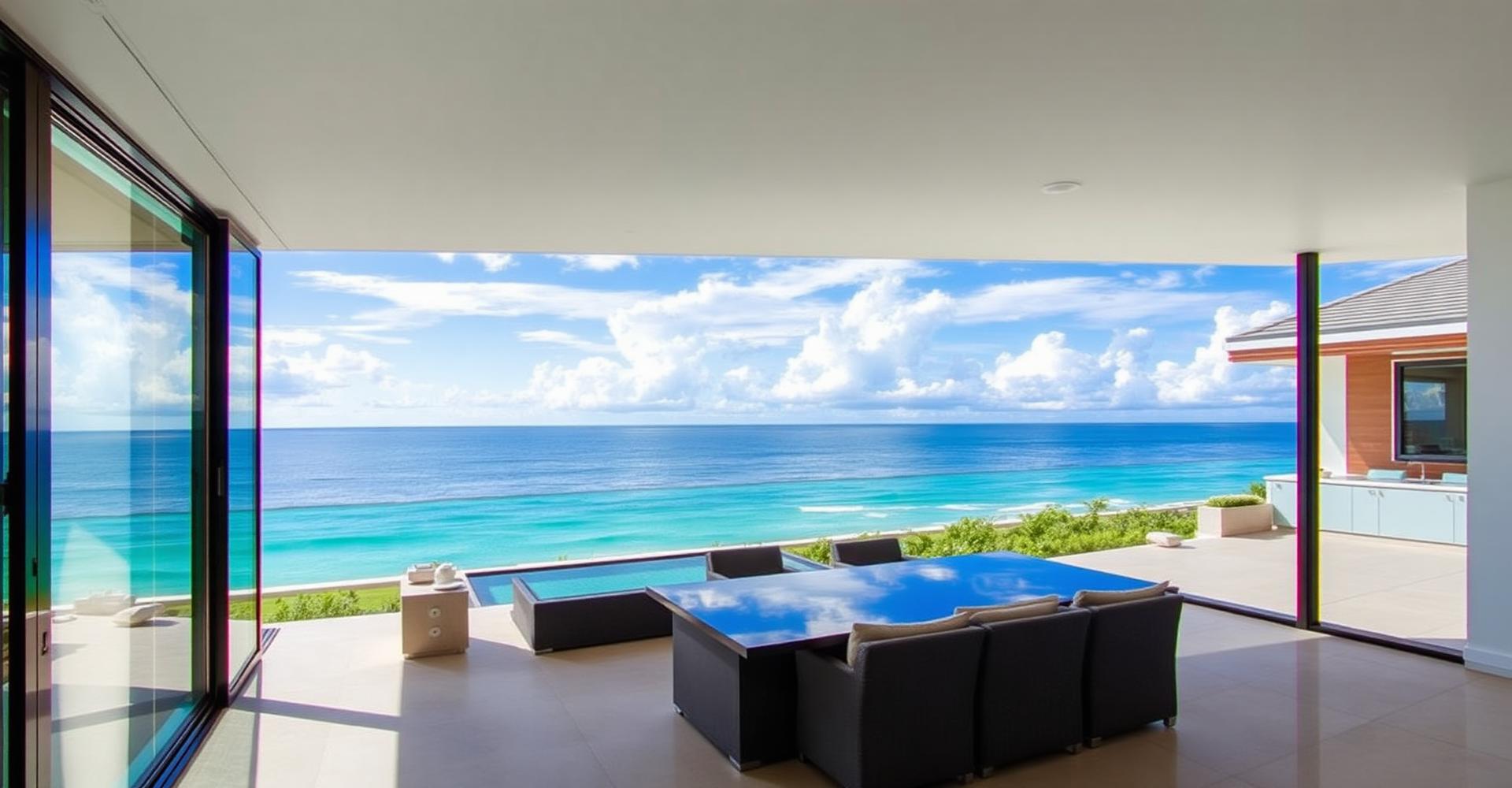
The governing idea is simple: if the building envelope is breached during a storm, internal pressure spikes and the structure can fail from the inside out. A window failure is not a window problem — it is a roof problem. Everything in the code around openings, connections and load paths exists to keep that from happening.
That leads to three areas of requirement.
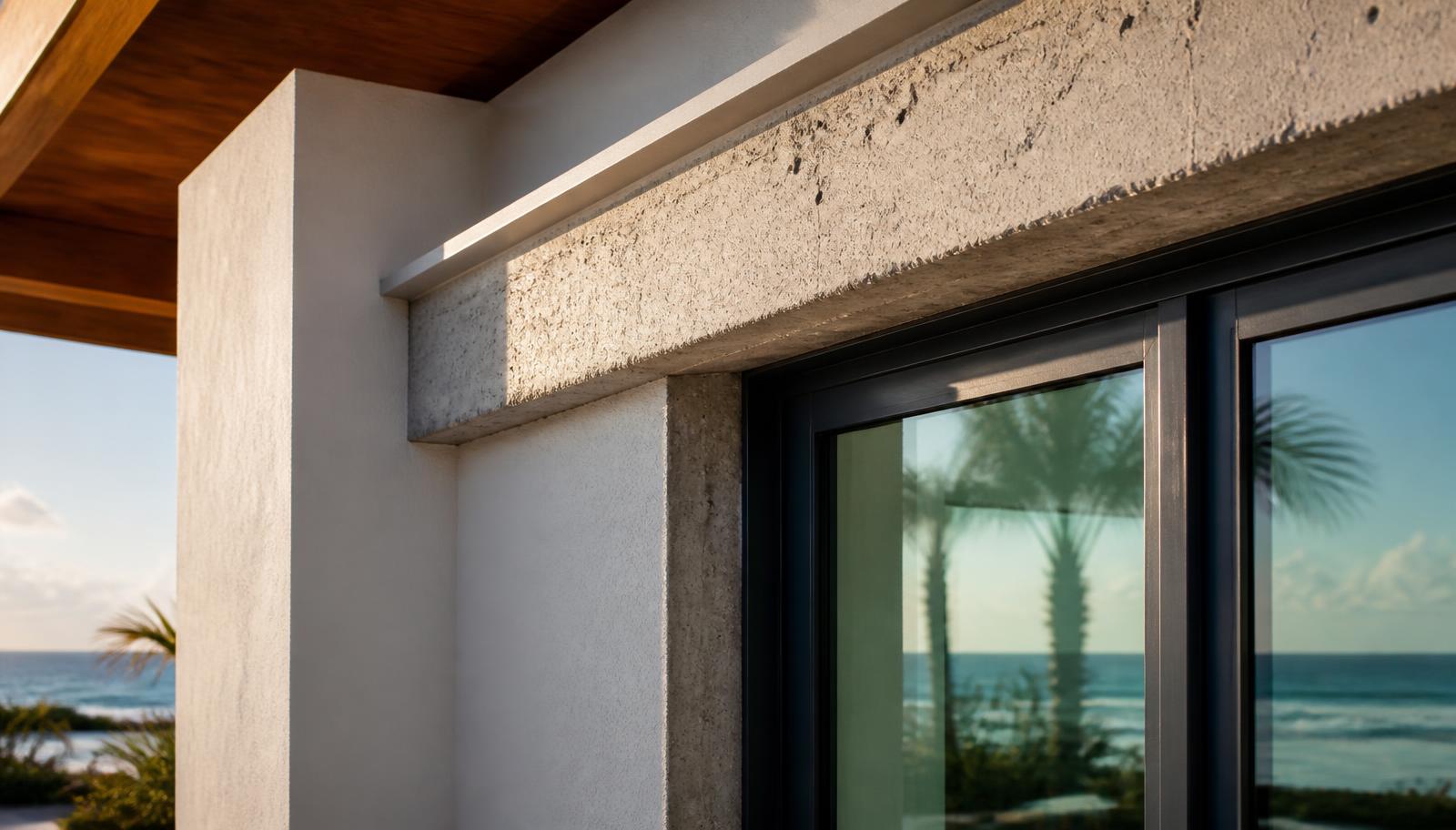
1. Openings. In wind-borne debris regions, glazed openings must either be impact-resistant or protected by an approved shutter system. Products are tested for large-missile and small-missile impact and cyclic pressure, and must carry an approval — in the HVHZ, a Miami-Dade Notice of Acceptance (NOA); elsewhere in Florida, a Florida Product Approval. The approval is product-specific and installation-specific.
2. Structure and load path. Wind loads are calculated for the specific site, exposure category and building geometry. The result is a continuous load path: roof sheathing to trusses or joists, to tie beams and columns, to foundation. In coastal South Florida this typically means reinforced concrete masonry or cast-in-place concrete with tie columns and tie beams, engineered connectors, and elevated anchorage detailing.
3. Envelope and water intrusion. Roofing underlayment, secondary water barriers, flashing, and window and door installation details are inspected closely. Water intrusion — not wind — causes most post-storm damage claims.
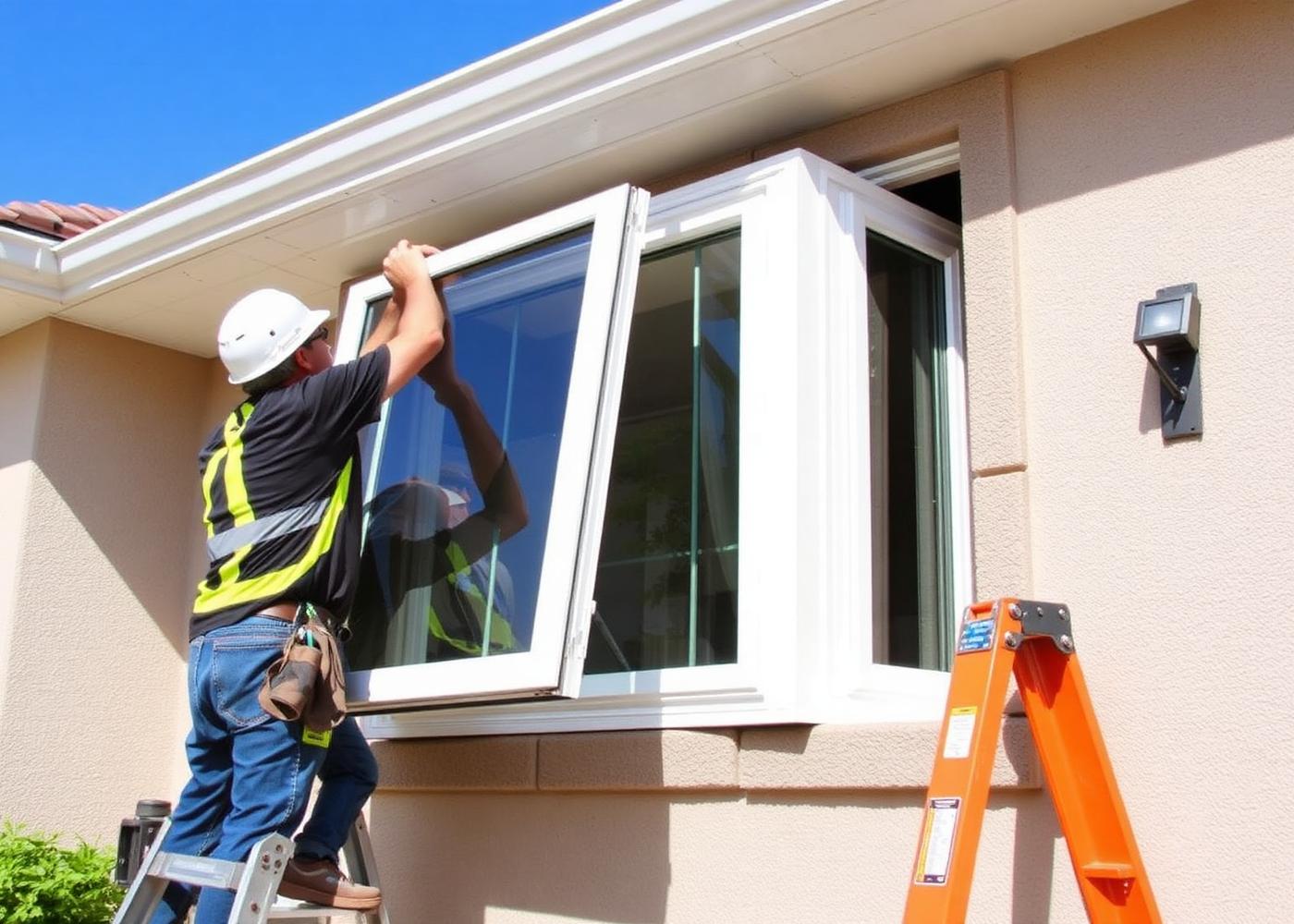
Impact glass: compliant is not the same as equal
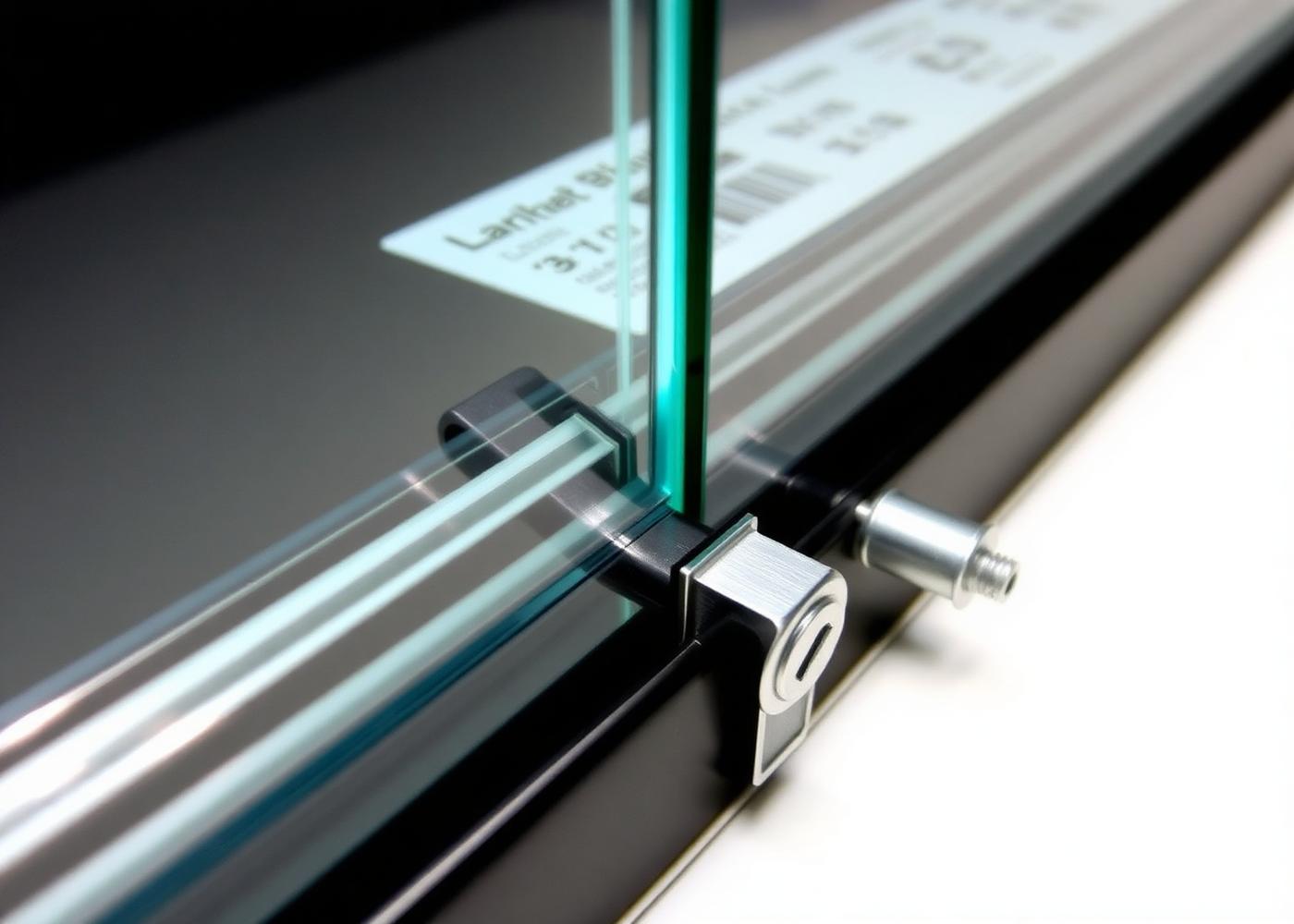
Every impact window on a South Florida job is approved. That is where the similarity ends. On high-end projects the real decisions are:
- Pressure rating versus opening size. Large-format glass walls require higher design pressures and heavier framing. The architecture drives the engineering, not the reverse.
- Laminated interlayer. Interlayer type and thickness affect impact performance, acoustics and UV filtering.
- Thermal performance and coatings. Low-E coatings and thermally broken frames materially change cooling load and comfort in a glass-forward home.
- Frame material and finish. Aluminum, thermally broken aluminum and steel systems differ in sightline, corrosion resistance and cost. Coastal exposure argues for higher-grade finishes.
- Installation. An approved window installed outside its approval conditions is not compliant. Buck detailing, anchorage spacing, substrate and sealant systems are all part of the approval.
The installation detail is where most field failures originate, and it is the single most valuable thing a contractor can supervise closely.
HVHZ
Miami-Dade and Broward high-velocity hurricane zone
NOA
Notice of acceptance required for each assembly
Large missile
Impact test standard for wind-borne debris regions
Code = floor
On luxury work, the requirement is the starting point
Where luxury projects should exceed the code
Code minimums are life-safety standards. Owners of high-value coastal homes usually care about a second standard: how the house performs after the storm, and what condition it is in when they return.
Considerations worth discussing with your builder and architect:
- Higher design pressures than required on the most exposed elevations.
- A more robust secondary water barrier and enhanced roof-to-wall detailing.
- Corrosion-resistant hardware and fasteners rated for salt exposure beyond code minimum.
- Elevated and protected mechanical and electrical equipment, including generator, switchgear and pool equipment locations.
- Dehumidification and power continuity so the home is protected during an extended absence or outage.
- Elevation above the minimum finish floor, when zoning and design allow.
Each of these is a cost decision. Each is also far cheaper to build in than to retrofit.
Permitting and inspection realities
Expect the following in South Florida:
- Structural, mechanical, electrical, plumbing and, on the coast, additional environmental or coastal-construction reviews.
- Product approval submittals for every opening, roofing assembly and cladding system.
- Threshold inspections and special inspector requirements on many structures.
- Windstorm-related documentation retained for insurance and, later, for resale.
Permit timelines vary by jurisdiction and season. Building a realistic permitting duration into the schedule — rather than treating approval as instantaneous — is one of the clearest signs of an experienced builder.
What this means for your project
If you are building or renovating on or near the water in Palm Beach, Broward or Miami-Dade County, three things will protect you:
- 01An architect and engineer who design for the actual site exposure from the start.
- 02A builder who reviews product approvals and installation details before the order is placed, not after delivery.
- 03A written decision about where you want to exceed code — made during design, when it is inexpensive.
This article is a general overview and not a substitute for code review by a licensed design professional for your specific property. Requirements differ by jurisdiction, exposure and structure, and the Florida Building Code is periodically updated. Confirm current requirements with your local building department and design team.
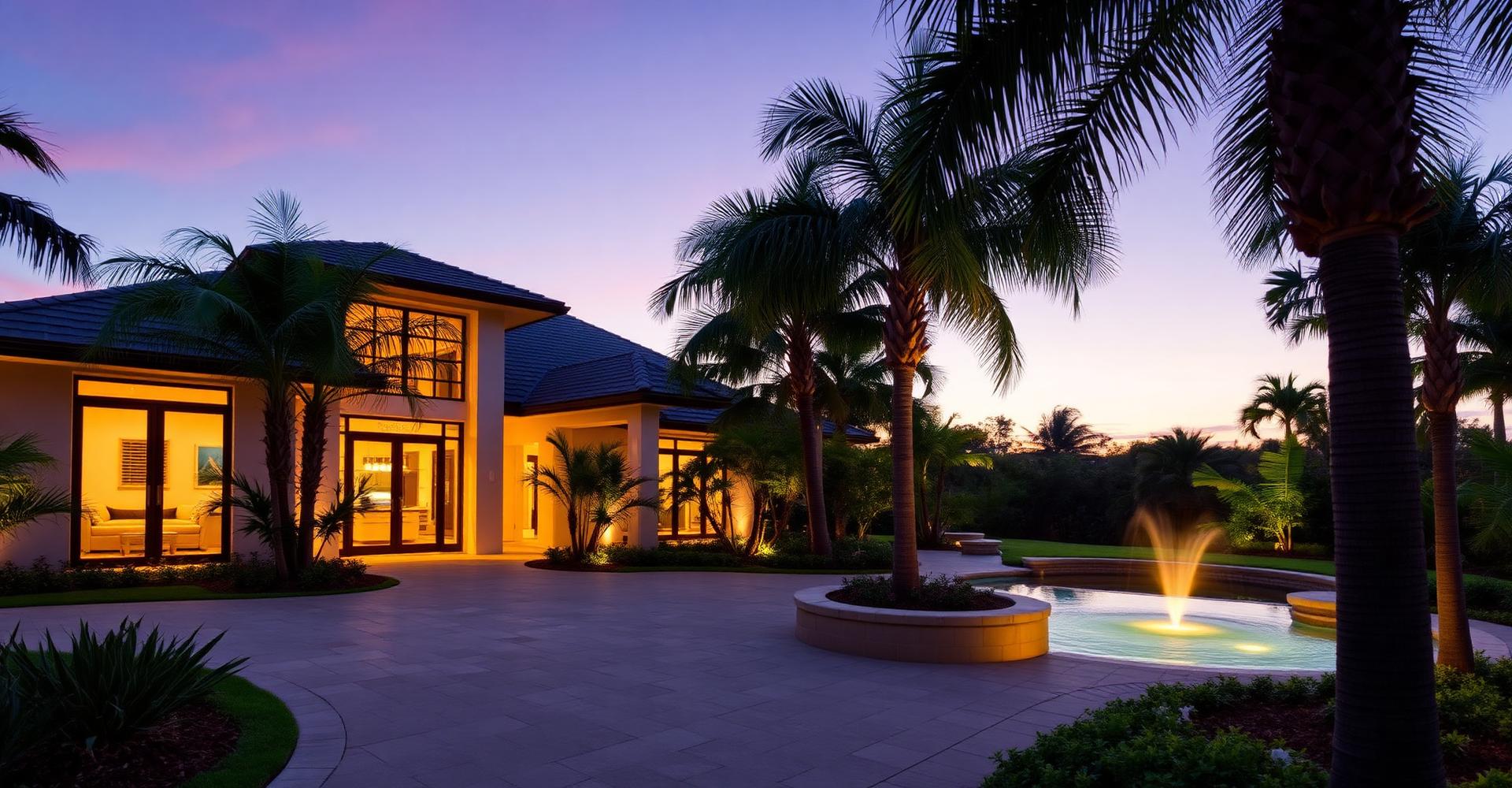
Questions we hear most
- Are impact windows required everywhere in South Florida?
- Glazed openings in wind-borne debris regions must be impact-resistant or protected by an approved shutter system. Miami-Dade and Broward are in the High-Velocity Hurricane Zone; much of coastal Palm Beach County is also subject to wind-borne debris requirements. Confirm the requirement for your specific address with the local building department.
- What is a Miami-Dade NOA?
- A Notice of Acceptance — a product approval confirming a specific product, in a specific installation configuration, has passed the required testing for use in the High-Velocity Hurricane Zone.
- Does exceeding code minimums lower insurance premiums?
- It can affect windstorm mitigation credits, but eligibility and savings depend on the carrier and the documented features. Discuss it with your insurance agent during design rather than after construction.
Sources & authorities
Code, permitting and hazard requirements change. Each reference below links to the issuing authority so you can confirm the current requirement for your address.
- 01Florida Building Commission — Florida Building Code (official code portal)floridabuilding.org
- 02Florida Product Approval System — approved products searchfloridabuilding.org
- 03Miami-Dade County Product Control — Notices of Acceptance (NOA)miamidade.gov
- 04Broward County Board of Rules and Appeals — local code administrationbroward.org
- 05ASCE 7 Hazard Tool — design wind speeds and exposure by siteascehazardtool.org
- 06NOAA National Hurricane Centernhc.noaa.gov
- 07Florida Division of Emergency Managementfloridadisaster.org
References verified August 12, 2026
Written By
MEGA Contractors Editorial Team
Construction Team
[PLACEHOLDER — add a verified author biography before publishing.]
Last reviewed August 12, 2026
Related insights
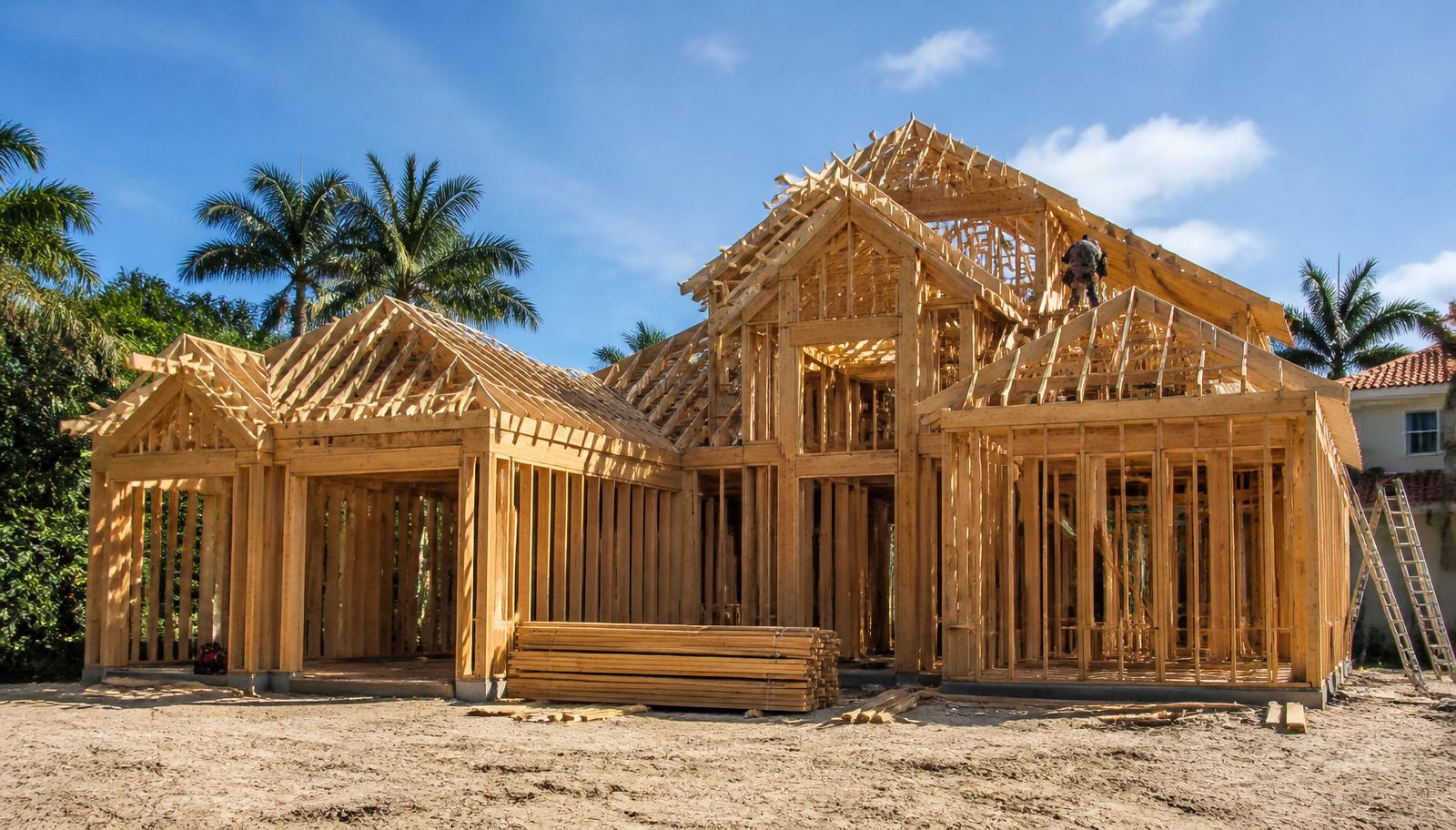
What It Costs to Build a Custom Home in Palm Beach County
A candid breakdown of how luxury custom home budgets are actually structured in Palm Beach County — where the money goes, which line items move most, and how to build a budget that survives contact with reality.
August 9, 2026
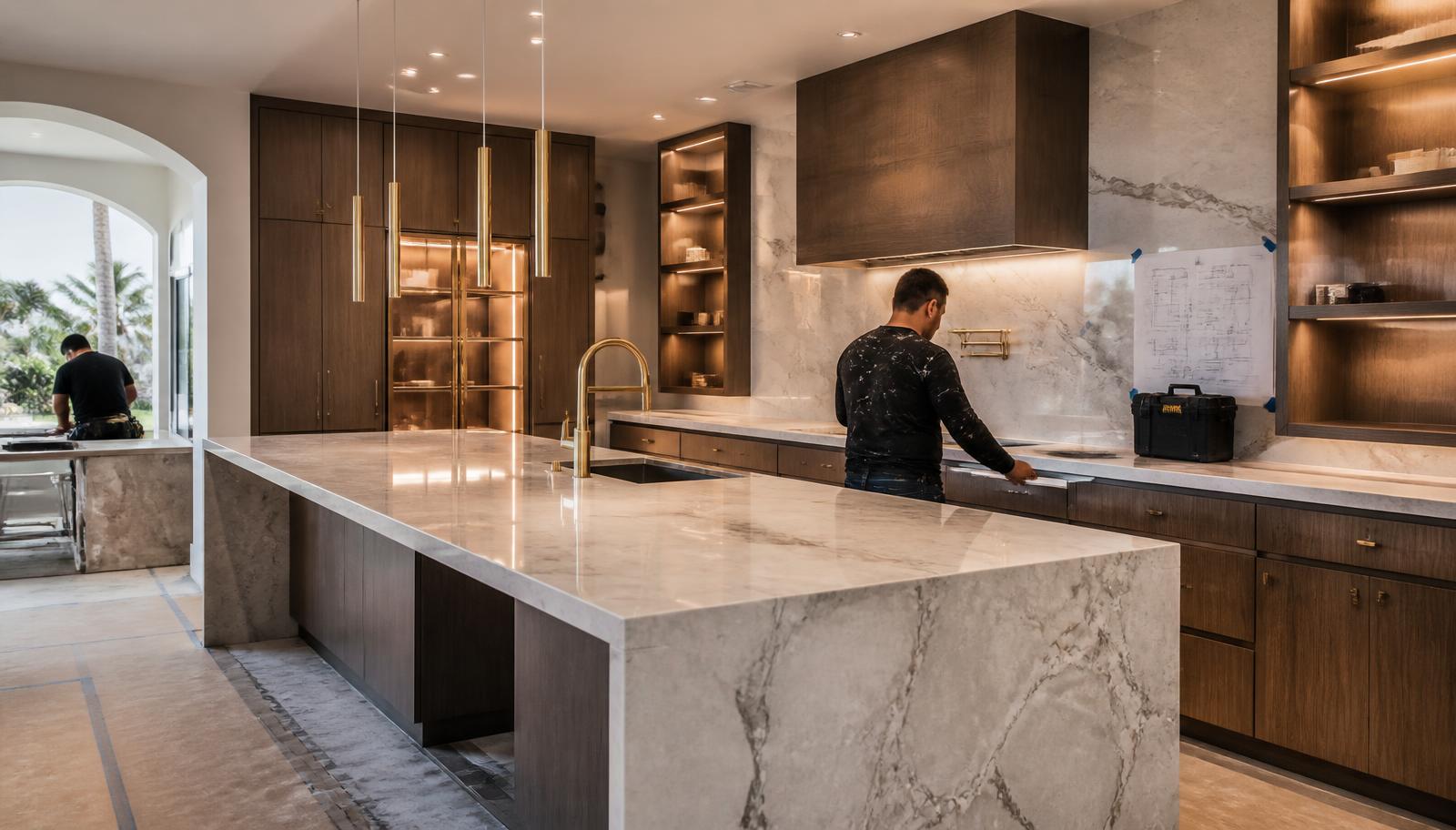
Luxury Kitchen Remodel Timeline in South Florida: What Actually Happens, Week by Week
A realistic schedule for a high-end kitchen renovation in South Florida — including the pre-construction work that determines whether the on-site phase runs eight weeks or eighteen.
August 6, 2026