
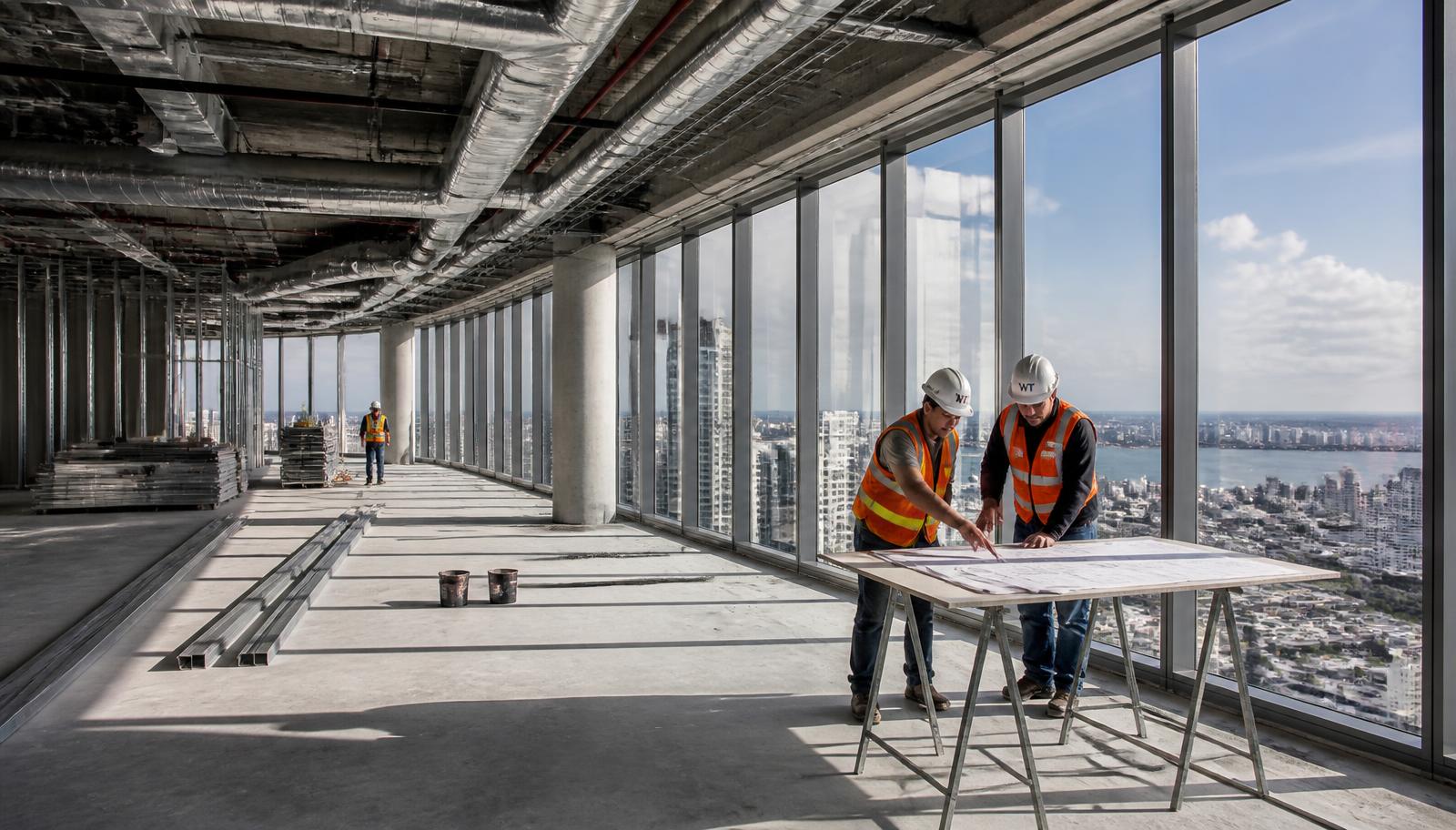
Commercial Build-Out Permitting in Miami-Dade County: A Practical Guide
A sequenced walkthrough of what it actually takes to permit and deliver a commercial interior build-out in Miami-Dade — and where tenants and owners most often lose weeks.
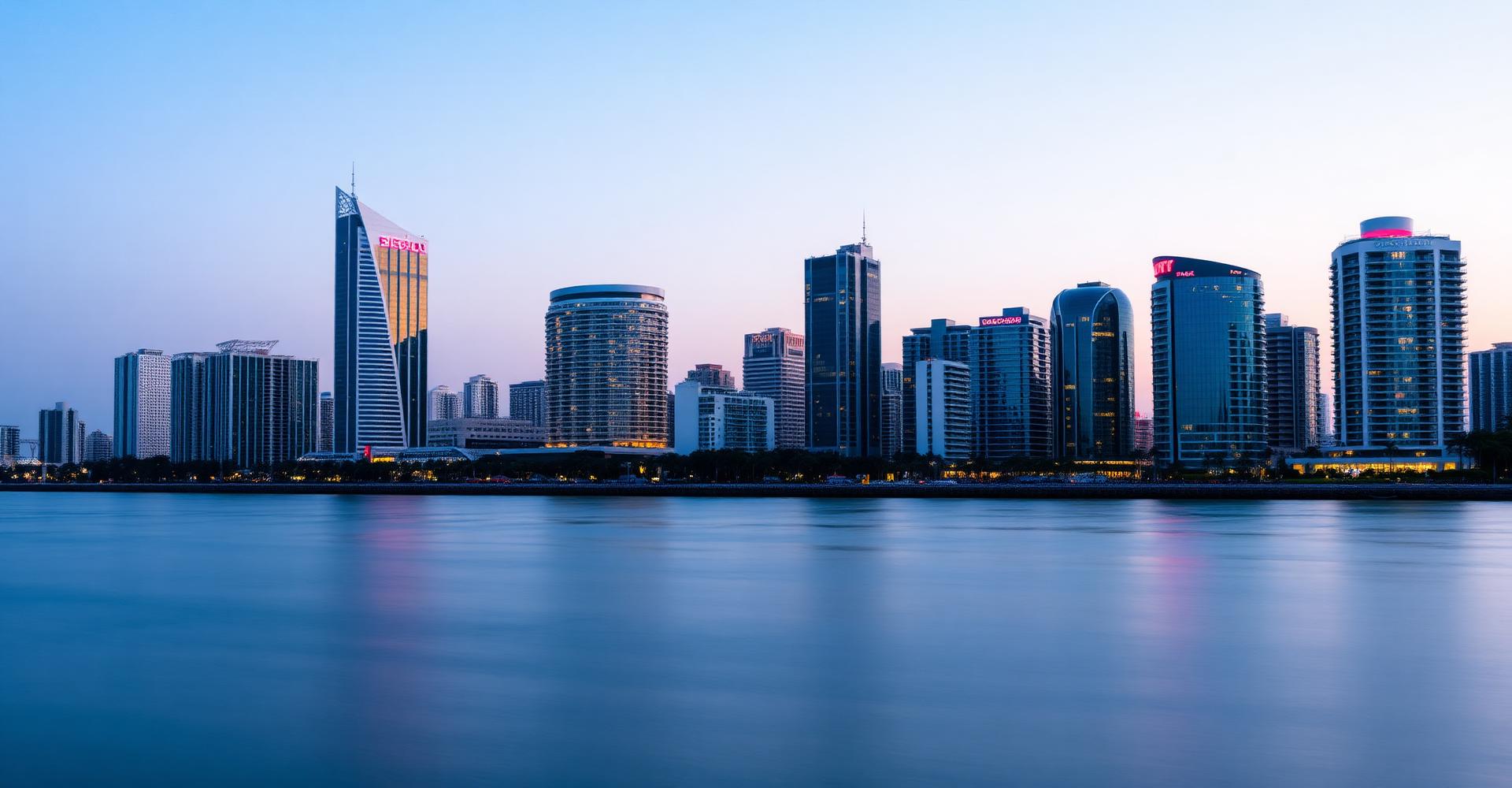
For a commercial tenant, the build-out schedule is the business plan. Rent commencement, hiring, marketing and opening all sit downstream of a certificate of occupancy. In Miami-Dade County, the difference between a build-out that opens on time and one that slips a quarter is almost always decided before construction starts.
Here is the sequence, and where the time actually goes.
- 01
Feasibility
1-2 wks
Zoning, use, occupancy and building rules.
- 02
Design
4-8 wks
Architectural, MEP and life-safety documentation.
- 03
Permitting
6-14 wks
Building, fire, and any change-of-use review.
- 04
Construction
8-20 wks
Framing, MEP rough, finishes and inspections.
- 05
Inspections
ongoing
Trade sign-offs through final building.
- 06
C.O.
1-3 wks
Certificate of occupancy and turnover.
Step 1 — Confirm what the space will allow
Before design begins, verify:
- Zoning and permitted use. Confirm the intended use is allowed and whether a change of use is involved. A change of use triggers additional review and can trigger parking, accessibility and life-safety upgrades.
- Occupancy classification. Assembly, business, mercantile and food service carry very different requirements.
- Existing conditions and prior permits. Unpermitted work by a previous tenant becomes your problem. A permit history search early is inexpensive insurance.
- Base building capacity. Electrical service, HVAC tonnage, grease exhaust availability, plumbing capacity, structural capacity for equipment, and roof access for new units.
- Landlord work letter. What the landlord delivers versus what you build, and who pays for base building upgrades.
Skipping this step is the most expensive mistake in commercial build-outs, because the discoveries arrive after the lease is signed.
Step 2 — Design and documentation
A permit set for a Miami-Dade interior build-out typically includes architectural, life safety, structural where applicable, mechanical, electrical, plumbing and, for restaurants, kitchen equipment and hood drawings. Accessibility compliance is reviewed closely. Documents must be signed and sealed by Florida-licensed design professionals.
For food service, add health department review. For certain uses, add fire department review of suppression, alarm and egress.
Step 3 — Permitting
The realities to plan for:
- Multiple disciplines review in parallel — building, electrical, mechanical, plumbing, fire, zoning, and accessibility. Any one can issue comments.
- Comments are normal. Expect at least one comment cycle. The speed of your design team's response determines the calendar impact more than the review itself.
- Municipality matters. Miami-Dade County has jurisdiction in unincorporated areas; incorporated municipalities such as Miami, Miami Beach, Coral Gables and Doral run their own building departments with their own procedures and timelines.
- Ancillary permits. Signage, awnings, right-of-way, water and sewer allocation, and fire alarm and suppression are often separate submittals with separate timelines.
- Impact and connection fees may apply on change of use or added fixtures.
Realistic planning means treating permitting as a multi-week to multi-month phase, not an administrative formality — and starting long-lead procurement in parallel.
Step 4 — Construction and inspections
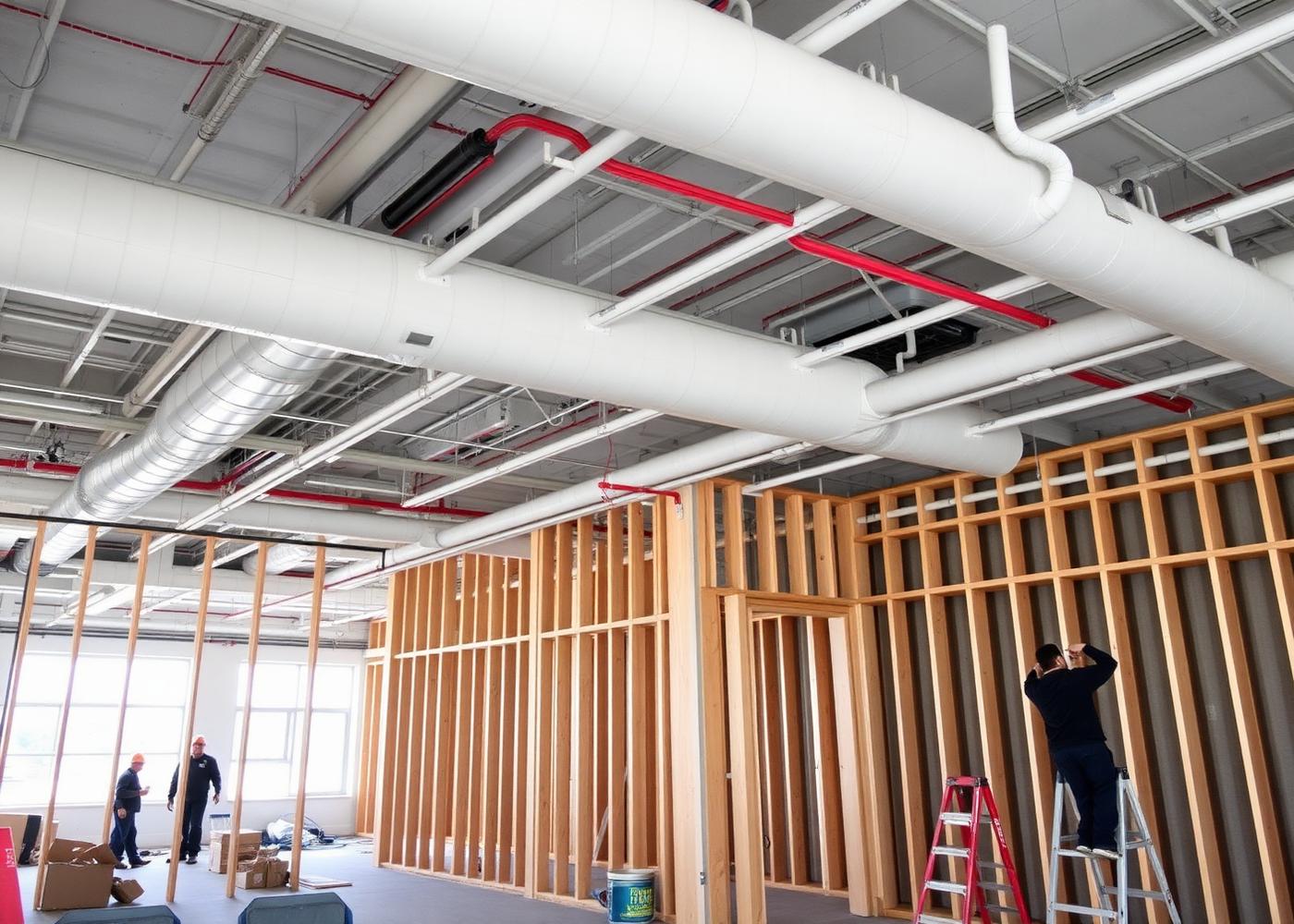
Interior build-outs are inspection-dense: rough electrical, mechanical, plumbing, framing, fire, above-ceiling, and final in each discipline. Practical guidance:
- Sequence around inspections, not around trades. A missed above-ceiling inspection can idle a crew for days.
- Coordinate with building management. Occupied buildings restrict work hours, freight elevator access, noise, hot work and after-hours HVAC. These constraints belong in the schedule from day one.
- Buy out long-lead items early. Rooftop units, switchgear, custom storefront and specialty lighting are frequent schedule drivers.
- Keep the record set current. Field changes must be documented, and in some cases revised through the building department, before final inspection.
Step 5 — Closeout and certificate of occupancy
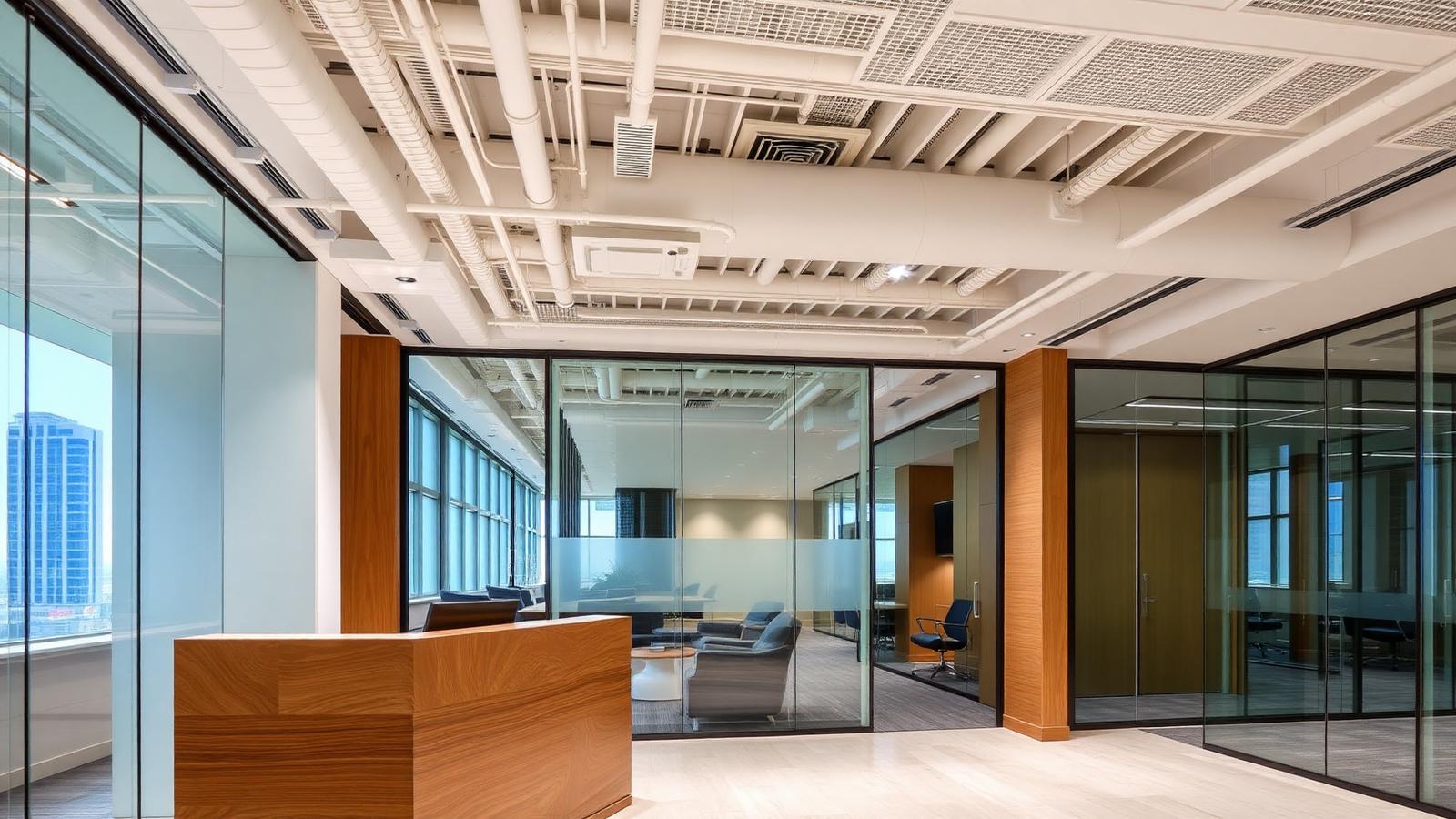
Final inspections in every discipline, fire alarm and suppression testing and acceptance, health department final for food service, elevator or accessibility items where applicable, and then the certificate of occupancy or completion. Owner training, warranties, as-builts and O&M manuals should be assembled during construction, not chased afterward.
6-14 wks
Typical Miami-Dade permit review window
3
Agencies commonly involved in a single build-out
1 wk
Average lost per unresolved comment cycle
100%
Of rent commencement risk sits downstream of the C.O.
Where projects most often lose time
- 01Signing a lease before technical due diligence. Base building limitations discovered later cost both money and months.
- 02Submitting an incomplete permit set to "start the clock." It rarely saves time and usually adds a comment cycle.
- 03Slow responses to plan review comments.
- 04Late equipment selection. Kitchen, medical and lab equipment define plumbing, electrical and ventilation. Selecting late forces redesign.
- 05Ignoring landlord rules. Insurance certificates, approved contractor lists and work-hour restrictions can stop a job on day one.
How to compress the schedule honestly
- Run technical due diligence during lease negotiation, and negotiate the work letter based on what you find.
- Engage the contractor during design for constructability and cost feedback.
- Pre-order long-lead equipment at permit submittal, accepting the calculated risk.
- Where allowed, pursue phased or early-start permits for demolition and non-structural work.
- Assign one person accountable for the permit calendar, with a weekly review.
A commercial build-out is a logistics exercise as much as a construction one. Owners and tenants who treat permitting and procurement as first-class parts of the schedule — rather than as things that happen before the "real" work — open on time.
Requirements and review procedures vary by municipality within Miami-Dade County and change over time. Confirm current requirements with the building department having jurisdiction over your address and with your licensed design team.
Questions we hear most
- How long does commercial build-out permitting take in Miami-Dade?
- It varies by municipality, scope and review volume, and typically spans several weeks to a few months including comment cycles. Plan it as a distinct project phase and confirm current timelines with the building department having jurisdiction.
- Do I need a permit for a cosmetic interior build-out?
- Purely cosmetic work such as paint may not, but anything touching structure, electrical, mechanical, plumbing, egress or fire protection generally does. A change of use almost always does.
- What is the most common cause of delay?
- Signing a lease before technical due diligence. Base building limitations and prior unpermitted work discovered after the fact drive both cost and schedule.
Sources & authorities
Code, permitting and hazard requirements change. Each reference below links to the issuing authority so you can confirm the current requirement for your address.
- 01Miami-Dade County permitting portalmiamidade.gov
- 02Miami-Dade County Building Departmentmiamidade.gov
- 03Miami-Dade County Product Control — Notices of Acceptance (NOA)miamidade.gov
- 04Florida State Fire Marshal — Florida Fire Prevention Codemyfloridacfo.com
- 05Florida Building Commission — Florida Building Code (official code portal)floridabuilding.org
- 06Florida DBPR — verify a contractor licensemyfloridalicense.com
References verified August 12, 2026
Written By
MEGA Contractors Editorial Team
Construction Team
[PLACEHOLDER — add a verified author biography before publishing.]
Last reviewed August 12, 2026
Related insights
What It Costs to Build a Custom Home in Palm Beach County
A candid breakdown of how luxury custom home budgets are actually structured in Palm Beach County — where the money goes, which line items move most, and how to build a budget that survives contact with reality.
August 9, 2026
Design-Build vs. Hard Bid for Luxury Construction: Which Actually Protects Your Budget?
The two delivery methods behave very differently on high-end projects. Here is how each handles pricing, risk, change orders and accountability — and how to choose.
August 3, 2026